Plant-based eating has gained widespread attention for its role in improving health, increasing energy levels, and supporting digestion. A high-protein vegan diet offers unique advantages over non-vegetarian diets, particularly by reducing saturated fat intake and lowering the risk of chronic diseases such as heart disease.
Many people are also turning to a high-protein vegan diet due to concerns about modern farming practices, including the use of added hormones and antibiotics in animal-based foods. As awareness grows, this way of eating has become especially popular among individuals seeking to maintain muscle mass, enhance fitness performance, and support overall well-being—without relying on animal products.
Can You Get Enough Protein on a Vegan Diet?
Humans have consumed meat for centuries, and animal protein is often regarded as one of the most concentrated protein sources. However, plant-based diets can provide sufficient—and sometimes superior—nutrition when planned correctly. A well-balanced vegan diet includes a variety of protein-rich whole foods that deliver not only protein but also fiber, antioxidants, vitamins, and minerals.
The key to success is variety. By combining different plant foods, vegans can easily meet their daily protein requirements while avoiding many of the health risks associated with excessive animal protein consumption.
Benefits of a High-Protein Vegan Diet
A properly planned high-protein vegan diet can offer several health benefits:
- Improved heart health: Plant-based proteins are naturally low in saturated fat and cholesterol.
- Better digestion: High fiber intake supports gut health and regular digestion.
- Sustained energy levels: Complex carbohydrates and healthy fats provide steady energy.
- Weight management: High-protein, high-fiber foods promote fullness and reduce overeating.
- Reduced inflammation: Many plant foods contain antioxidants that help fight chronic inflammation.
Best High-Protein Foods for Vegans
1. Legumes
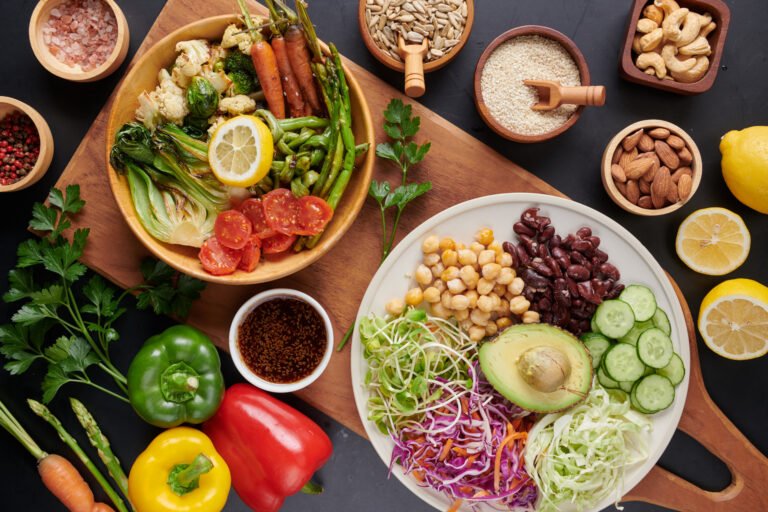
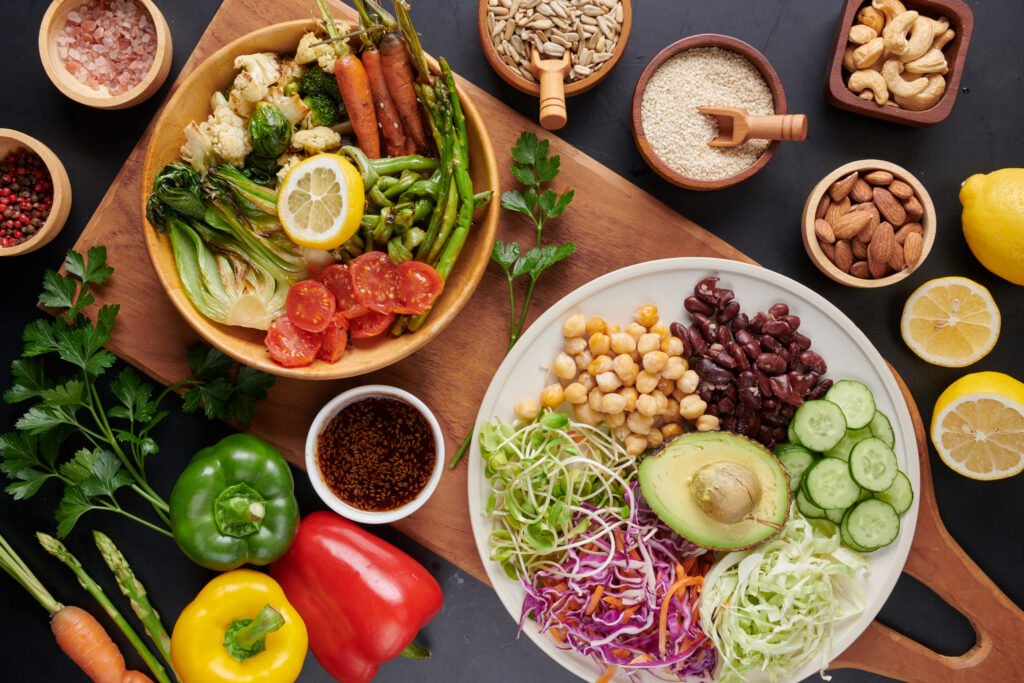
Lentils, chickpeas, black beans, kidney beans, and green beans are excellent protein sources. They are also rich in fiber, iron, and complex carbohydrates, making them ideal for long-lasting energy and digestive health.
2. Soy Products
Tofu, tempeh, and edamame stand out as some of the highest-protein vegan foods. Soy is a complete protein, meaning it contains all nine essential amino acids necessary for muscle repair and growth.
3. Nuts and Seeds
Almonds, walnuts, peanuts, hemp seeds, chia seeds, pumpkin seeds, and sesame seeds (or tahini) provide protein along with healthy fats. These foods are also excellent sources of omega-3 fatty acids, magnesium, zinc, and fiber.
4. Quinoa
Unlike most grains, quinoa is a complete protein. It also contains iron, magnesium, and antioxidants, making it a valuable staple in vegan meals.
5. Whole Grains
Oats, brown rice, whole-wheat bread, and whole-grain pasta contribute moderate amounts of protein while supplying fiber and essential nutrients. Pairing grains with legumes helps create complete protein combinations.
6. Healthy Fats
Extra-virgin olive oil, coconut oil, and avocado oil help meet daily calorie needs and support hormone balance and nutrient absorption.
7. Nutritional Yeast
Fortified nutritional yeast is a popular vegan staple. It provides protein and vitamin B12 and adds a savory, cheese-like flavor to meals such as pasta, popcorn, and salads.
Nutrients Vegans Should Pay Attention To
While a vegan diet can be highly nutritious, some nutrients require special attention:
- Vitamin B12: Found mainly in fortified foods or supplements
- Iron: Best absorbed when paired with vitamin C-rich foods
- Omega-3 fatty acids: Found in flaxseeds, chia seeds, hemp seeds, and walnuts
- Calcium: Present in leafy greens, fortified plant milks, and tofu
- Protein intake: Ensure adequate daily intake through diverse sources
Potential Risks and How to Avoid Them
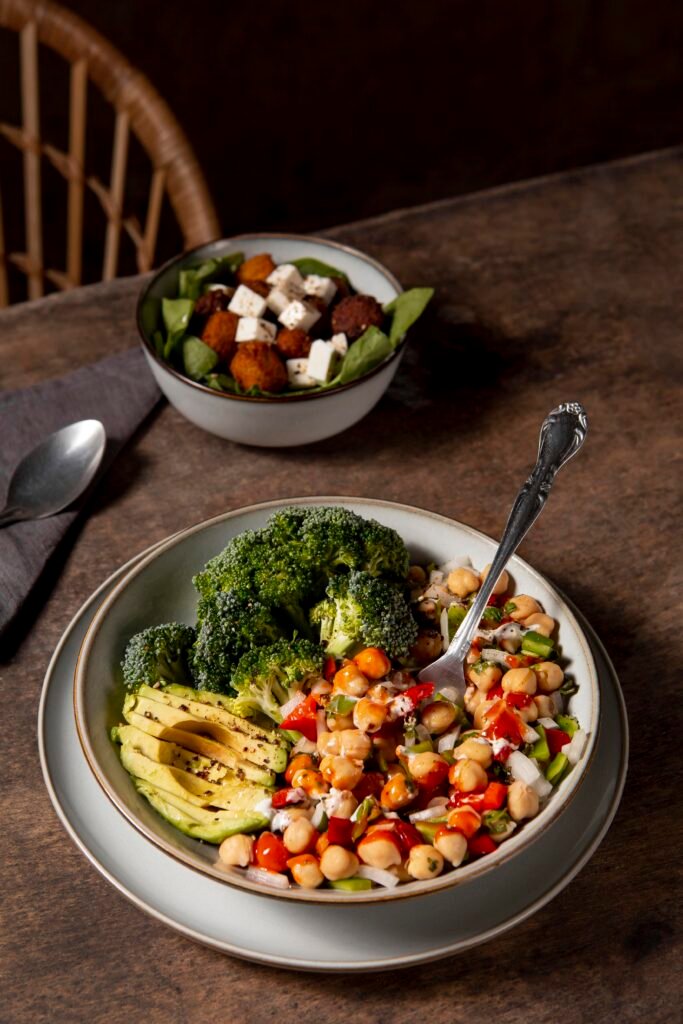
The main risk of a high-protein vegan diet comes from poor planning. Relying too heavily on processed vegan foods or failing to meet calorie and nutrient needs can lead to fatigue, nutrient deficiencies, or muscle loss. Choosing whole foods, eating enough calories, and considering supplementation when necessary can help avoid these issues.
Final Thoughts
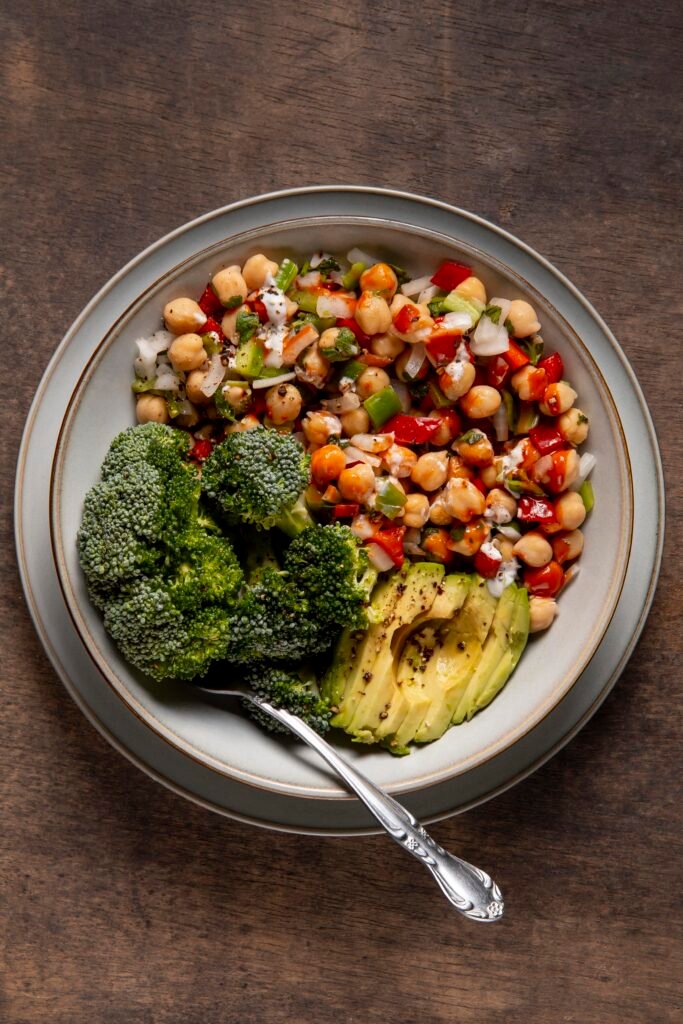
A high-protein vegan diet is not only possible—it can be highly beneficial when done correctly. By focusing on whole foods, variety, and nutrient balance, vegans can meet their protein needs while enjoying improved health, better digestion, and sustainable energy. Whether you’re transitioning away from meat or fully embracing a plant-based lifestyle, a well-planned vegan diet can support both personal health and long-term well-being.